
Heritage Iron Company
Suppliers of Low Carbon Steel for Better Forging
Advantages of
Heritage Iron
Low Carbon Steel
Forging
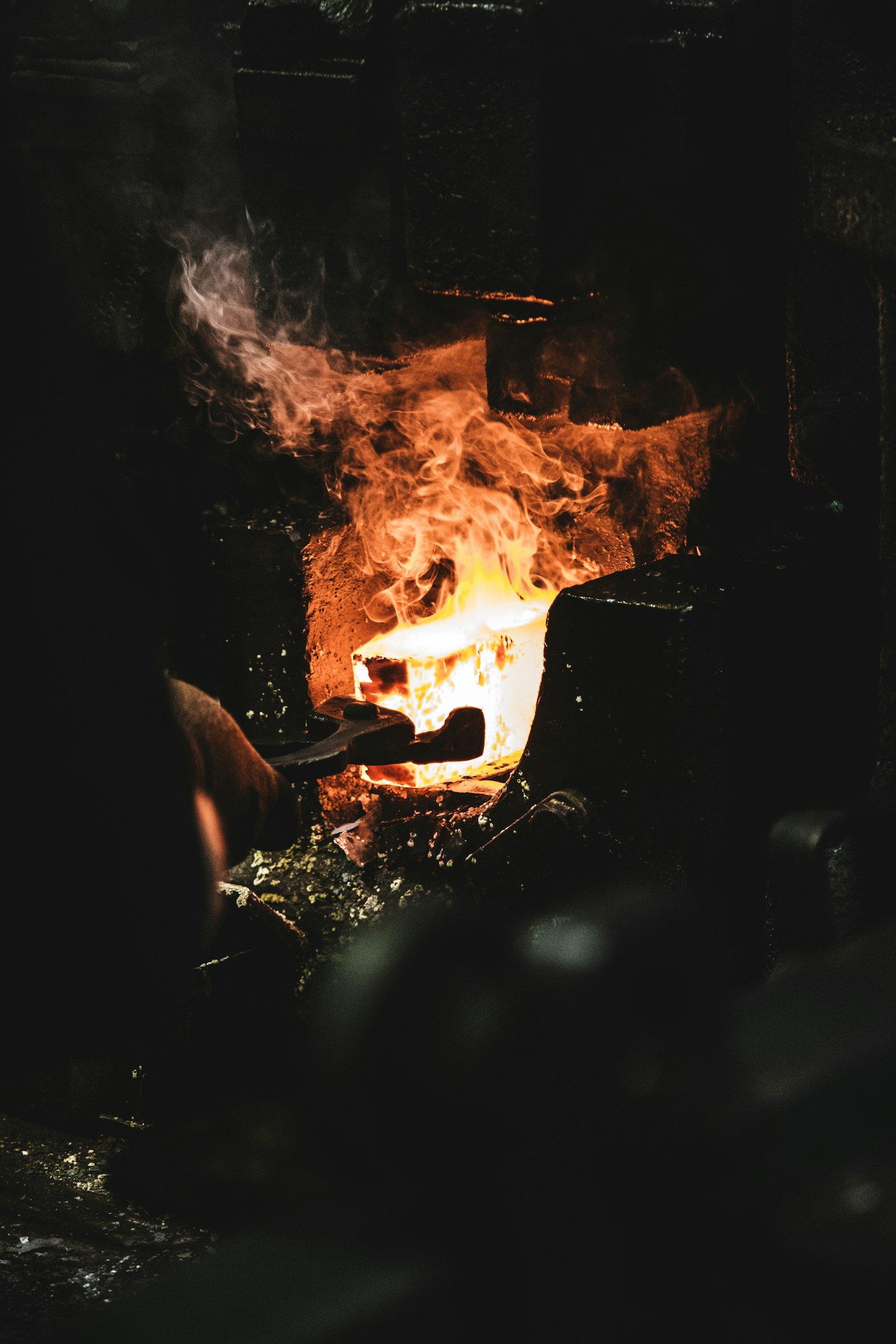
1006 is softer and more ductile compared with hot rolled A36 mild steel. At the anvil and under the power hammer there is a noticeable difference in how easily the material moves. This in turn results in less wear and tear on your body and tools. Theoretically the ease of forging the material should also translate into efficiency as well creating increased productivity and cost savings in labor.
Increased ductility makes the material friendlier for students and beginners when isolating mass and working thin material so as not to stress the material to failure. Several craft schools have adopted this material already for their blacksmithing classes.
Surface
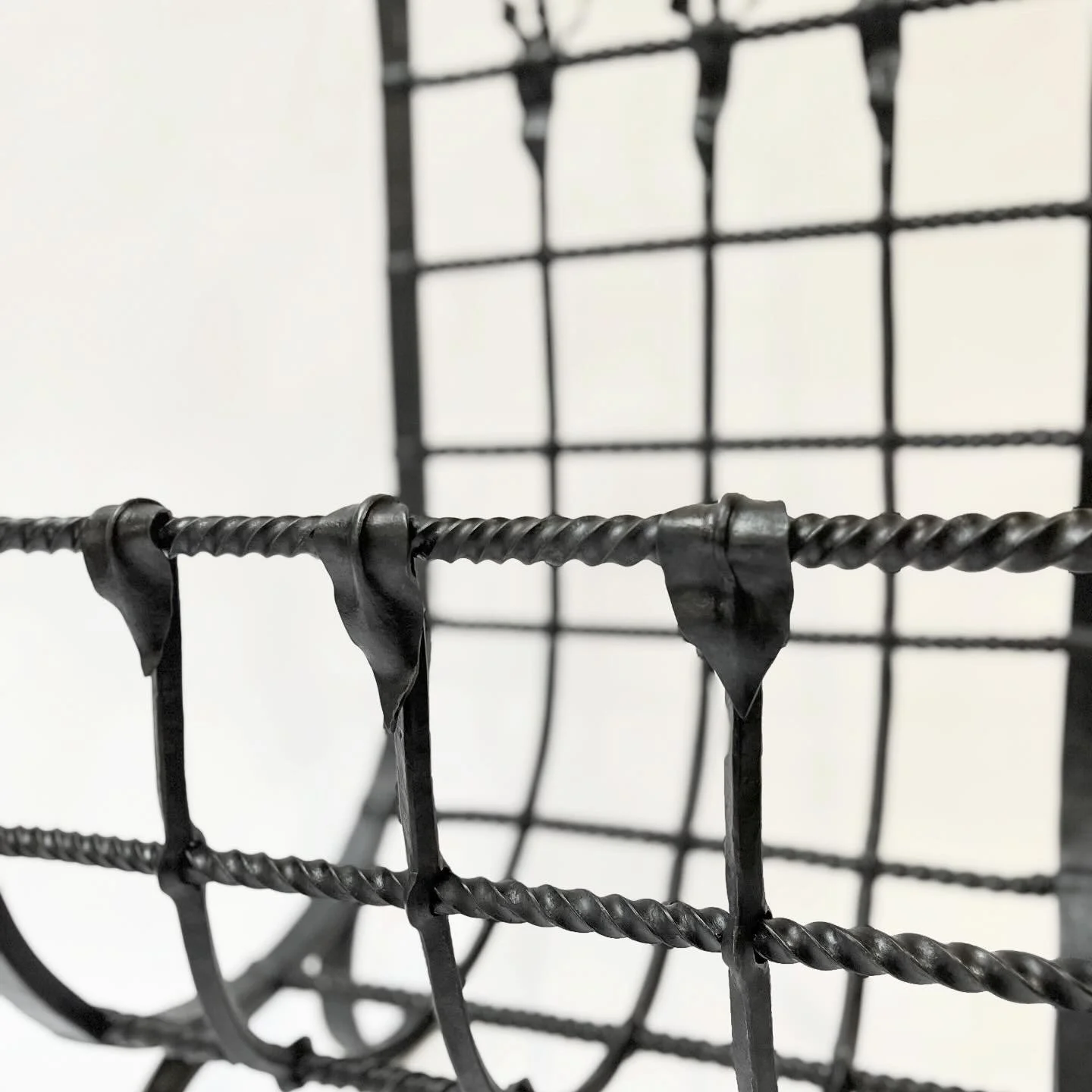
The surface finish of 1006 is smoother and more even. The material scales less in both gas and coal forges. It may be easily planished at a black heat. The "as forged" finish is finer and smoother than mild steel. 1006 appears similar to finely wrought historic works.
Forgewelding
The higher iron content produces a material with greater thermal conductivity. This results in longer heats and easier forgewelding. At the same time, the lower carbon content results in a higher melting point. 1006 forgewelds about 100ºF hotter than A36 and has a greater temperature window for welding. This is especially nice when doing complicated forge welds with small or thin pieces.
As Compared to Wrought Iron
1006 has no laminated grain that can split like with wrought iron. The material has no silica inclusion like wrought iron, and therefore it electrically welds similarly to other mild steels.
Yield Strength
The yield strength of hot rolled 1006 is approximately 2/3rds that of A36, and has nearly the same yield range as wrought iron.
Contact Us
Interested in low carbon steel? Fill out some info and we will be in touch shortly. We can’t wait to hear from you!